
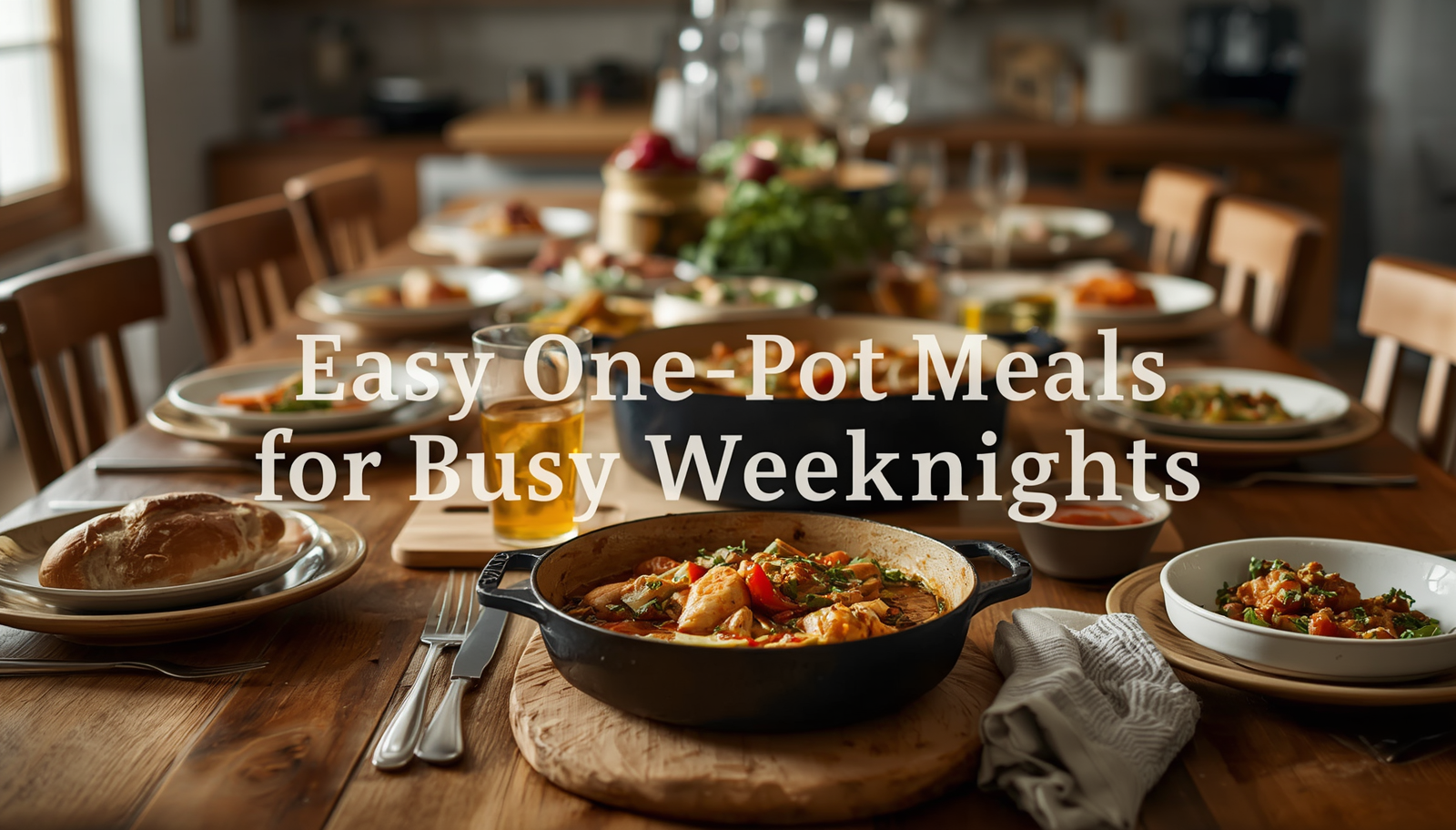
Weeknight dinners do not have to mean complicated recipes, piles of dirty dishes, or another expensive takeout order. When time is short and everyone is hungry, easy one-pot meals can make dinner feel much more manageable. With the right combination of protein, vegetables, grains, pasta, and flavorful seasonings, you can create a satisfying homemade meal using just one pot, Dutch oven, skillet, or saucepan.
One-pot cooking is especially useful for busy American households because it combines convenience with the comfort of a homemade dinner. Many recipes can be prepared in about 30 minutes, while others can simmer slowly when you have a little more time. The best part is that cleanup is usually much easier than with a traditional meal that requires several pans.
Whether you are feeding a family, cooking for two, or simply trying to make your weeknights less stressful, these easy one-pot meal ideas can give you plenty of inspiration.
Why One-Pot Meals Are Perfect for Busy Weeknights
The biggest advantage of one-pot cooking is simplicity. Instead of preparing the main dish, side dishes, and sauce separately, many ingredients cook together in the same vessel. As everything simmers or sautés, the flavors have a chance to blend into one satisfying meal.
One-pot recipes can also make kitchen cleanup significantly easier. Fewer cooking vessels mean fewer pans to wash after dinner, which is particularly valuable at the end of a long workday.
Another benefit is flexibility. A basic one-pot recipe can often be adapted based on what you already have in the refrigerator or pantry. Leftover chicken can become part of a creamy pasta dish, canned beans can turn into a hearty chili, and extra vegetables can be added to soups, rice dishes, or skillet meals.
Planning meals this way can also help reduce reliance on fast food and last-minute takeout. The Centers for Disease Control and Prevention recommends planning meals at home and incorporating a variety of vegetables, fruits, protein foods, healthy fats, and fiber-rich whole grains.
What Makes a Great One-Pot Dinner?
A successful one-pot meal usually has a simple structure. Start with a flavorful base, add a protein, incorporate vegetables, and finish with a starch or grain when appropriate. A well-chosen sauce, broth, seasoning blend, or combination of herbs can bring everything together.
The key is understanding how long each ingredient needs to cook.
For example, chicken pieces generally need more time than fresh spinach, while rice needs considerably longer than canned beans. Adding ingredients at the right stage helps prevent overcooked vegetables and undercooked proteins.
Aromatics such as onion, garlic, celery, carrots, and bell peppers are excellent starting points. Sautéing them before adding liquids can create a deeper flavor. From there, ingredients such as chicken, ground beef, sausage, beans, tomatoes, broth, pasta, or rice can be layered into the same pot.
The result is a complete meal with relatively little effort.
Easy One-Pot Chicken and Rice
Chicken and rice is one of the most dependable weeknight combinations because it is filling, affordable, and easy to customize.
Start by browning bite-sized pieces of boneless chicken in a large pot or Dutch oven. Remove them briefly if necessary, then sauté diced onion and garlic in the same pot. Add uncooked rice, chicken broth, seasonings, and vegetables such as peas, carrots, or bell peppers.
Return the chicken to the pot and let everything cook until the rice is tender and the chicken is fully cooked. The rice absorbs the savory broth while the chicken adds protein and flavor.
For a little extra richness, finish the dish with fresh parsley, a squeeze of lemon juice, or a small amount of grated Parmesan.
This is also an excellent meal-prep option because leftovers can be portioned for lunch the next day.
One-Pot Creamy Garlic Pasta
When you need dinner quickly, creamy pasta is hard to beat.
For an easy one-pot version, sauté minced garlic in a little olive oil or butter before adding broth and milk. Stir in pasta and cook until it becomes tender, stirring occasionally so it does not stick.
Once the pasta is cooked, add Parmesan cheese and black pepper. You can also add spinach, mushrooms, broccoli, peas, cooked chicken, or shrimp depending on what you have available.
The pasta absorbs some of the cooking liquid as it cooks, creating a naturally creamy sauce without requiring a separate saucepan.
For a lighter variation, replace some of the cream or cheese with additional broth and finish with lemon juice and fresh herbs.
One-Pot Beef and Vegetable Pasta
Ground beef is another excellent ingredient for quick weeknight meals. It cooks relatively quickly and works well with pasta, tomatoes, vegetables, and bold seasonings.
Brown ground beef in a large pot, then add onion, garlic, bell peppers, and Italian seasoning. Stir in crushed tomatoes, broth, and uncooked pasta. Let everything simmer until the pasta is tender.
The starch released from the pasta helps thicken the sauce, while the beef gives the dish a hearty flavor.
You can add shredded mozzarella or Parmesan near the end for a cheesy finish. For extra vegetables, try zucchini, mushrooms, spinach, or chopped carrots.
This type of one-pot dinner is especially useful when you want something comforting without spending an entire evening in the kitchen.
Easy One-Pot Chicken Tortilla Soup
Soup is one of the easiest categories of one-pot meals because the ingredients can simmer together and develop flavor as they cook.
For a simple chicken tortilla soup, combine chicken, broth, diced tomatoes, corn, black beans, onion, garlic, and spices such as cumin and chili powder.
Let the ingredients simmer until the chicken is cooked through and tender. Shred the chicken directly in the pot or remove it briefly and return it after shredding.
Serve the soup with tortilla strips, avocado, shredded cheese, cilantro, or a spoonful of sour cream.
This meal is especially convenient during cooler months, but it can be enjoyed year-round.
One-Pot Sausage and Peppers
Sausage and peppers are a classic combination that works beautifully as a simple skillet-style dinner.
Brown sliced Italian sausage in a large skillet or Dutch oven. Add sliced bell peppers and onions, then season with garlic, Italian herbs, black pepper, and a little red pepper if you enjoy heat.
You can serve the mixture over rice, toss it with pasta, or add diced potatoes directly to the pan for a more substantial meal.
For a tomato-based version, add crushed tomatoes and allow the mixture to simmer until the vegetables are tender.
This recipe is easy to customize with sweet or hot sausage depending on your preferred flavor.
One-Pot Vegetarian Chili
A hearty vegetarian chili proves that a satisfying dinner does not always need meat.
Combine kidney beans, black beans, diced tomatoes, corn, onions, bell peppers, and spices in a large pot. Chili powder, cumin, paprika, garlic, and oregano create a flavorful base.
Let everything simmer until the vegetables are tender and the flavors have blended.
For added protein, you can include lentils or additional beans. For a thicker texture, mash a small portion of the beans against the side of the pot before serving.
Top each bowl with shredded cheese, avocado, Greek yogurt, green onions, or fresh cilantro.
Vegetarian chili is also ideal for batch cooking because the leftovers often taste even better after the flavors have had time to develop.
One-Pot Lemon Chicken Orzo
For a lighter weeknight option, lemon chicken orzo brings together tender chicken, pasta, vegetables, and bright citrus flavor.
Brown bite-sized chicken pieces in a large pot, then add onion and garlic. Stir in orzo and chicken broth, allowing the pasta to cook directly in the liquid.
Add spinach or chopped kale toward the end of cooking so the greens retain some texture. Finish with fresh lemon juice, lemon zest, black pepper, and parsley.
The combination of creamy orzo, savory chicken, and fresh lemon creates a meal that feels flavorful without being overly heavy.
One-Pot Taco Rice
Taco-inspired rice is another easy dinner that can be made with pantry staples.
Brown ground beef or turkey with onion, then add taco seasoning, rice, tomatoes, beans, corn, and broth. Cover and simmer until the rice is tender.
Once finished, top the dish with shredded cheddar cheese and your favorite taco toppings.
Diced avocado, salsa, chopped lettuce, jalapeños, cilantro, and sour cream can turn a simple pot of rice into a customizable family dinner.
This recipe is particularly useful on nights when everyone wants something slightly different because each person can choose their own toppings.
One-Pot Tuscan White Bean Pasta
For a meatless meal with plenty of flavor, combine pasta with white beans, tomatoes, spinach, garlic, broth, and Italian herbs.
The beans add protein and substance, while the tomatoes provide acidity and the greens bring color and freshness.
A small amount of Parmesan can add richness without requiring a heavy sauce.
This is an excellent pantry-friendly recipe because canned beans, pasta, tomatoes, and dried herbs can be stored for weeks and transformed into dinner with only a few fresh ingredients.
How to Make One-Pot Meals More Flavorful
One-pot meals are simple, but simple does not have to mean bland.
One of the easiest ways to build flavor is to brown ingredients before adding liquid. Browning meat creates a deeper savory character, while sautéing onions and garlic provides a flavorful foundation.
Season gradually rather than adding all the salt at the end. Dried herbs and spices can be added early so their flavors have time to develop, while fresh herbs are generally best added near the end.
Acid is another useful tool. A squeeze of lemon juice, splash of vinegar, or spoonful of tomatoes can brighten a dish that tastes too rich or flat.
Texture matters, too. Adding fresh herbs, toasted nuts, shredded cheese, crispy tortilla strips, or sliced green onions just before serving can make a simple one-pot meal feel more complete.
Pantry Ingredients to Keep on Hand
A well-stocked pantry makes quick dinners much easier. Keep versatile staples such as rice, pasta, canned tomatoes, canned beans, broth, corn, tomato paste, and basic seasonings available.
In the refrigerator, ingredients such as onions, garlic, carrots, bell peppers, spinach, cheese, and fresh herbs can be used across many different recipes.
Frozen vegetables are also useful for busy nights because they require little preparation and can be added directly to many soups, pasta dishes, rice meals, and skillet dinners.
For protein, consider keeping chicken, ground meat, sausage, eggs, beans, or canned tuna available depending on your household’s preferences.
The goal is not to have every ingredient for a specific recipe. Instead, build a flexible collection of foods that can be combined in different ways.
Tips for Better One-Pot Cooking
Choose a pot that is large enough to hold all of your ingredients without overcrowding it. A heavy-bottomed Dutch oven, deep skillet, or large saucepan can work particularly well.
Pay attention to liquid. Pasta and rice absorb liquid as they cook, so the amount required will depend on the ingredients and cooking method. If a dish becomes too dry before the starch is tender, add a little more broth or water.
Avoid excessive stirring when cooking rice or delicate ingredients. Too much stirring can affect texture and may cause some dishes to become unnecessarily sticky.
Add delicate vegetables toward the end when possible. Spinach, peas, fresh herbs, and other quick-cooking ingredients usually need much less time than meat, rice, or dried pasta.
Most importantly, do not rush food safety simply because the recipe is designed to be quick. A food thermometer is the most reliable way to verify that meat and poultry have reached safe internal temperatures. USDA guidance recommends 165°F for poultry, 160°F for ground beef, pork, lamb, and veal, and 145°F for whole cuts of beef, pork, lamb, and veal followed by a three-minute rest.
How to Store One-Pot Meal Leftovers
One-pot dinners are often excellent for leftovers, but proper storage is important.
Cooked food should be refrigerated promptly rather than left sitting at room temperature for extended periods. USDA guidance recommends refrigerating leftovers within two hours, or within one hour when the temperature is above 90°F.
Large quantities should be divided into shallow containers so they cool more quickly. Properly stored leftovers can make busy lunches and dinners much easier throughout the week.
When reheating leftovers, make sure they reach 165°F. Soups, sauces, rice dishes, pasta, and combination meals should be heated thoroughly rather than simply warmed on the surface.
How to Plan a Week of One-Pot Dinners
A little planning can make weeknight cooking much easier.
Choose several different types of meals rather than repeating the same recipe. For example, you might make chicken and rice one night, vegetarian chili another night, creamy pasta later in the week, and taco rice when you want something especially quick.
Use overlapping ingredients to simplify grocery shopping. A package of spinach can work in pasta, soup, and chicken dishes. Bell peppers can be used in taco rice, sausage and peppers, or chili.
You can also prepare certain ingredients ahead of time. Chopping onions and vegetables, portioning proteins, and measuring frequently used seasonings can reduce the amount of work required during the week.
A simple meal plan can turn the question of “What’s for dinner?” from a nightly problem into a routine that takes only a few minutes to manage.